Uncategorized

Cabin Crew Salary
Uncategorized

Cabin crew salary in India per month & career growth

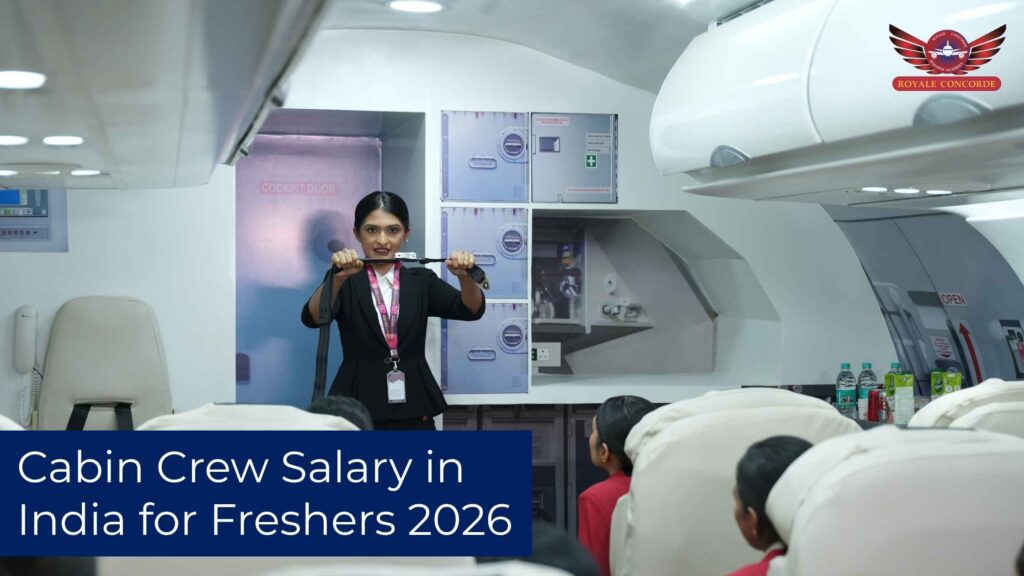
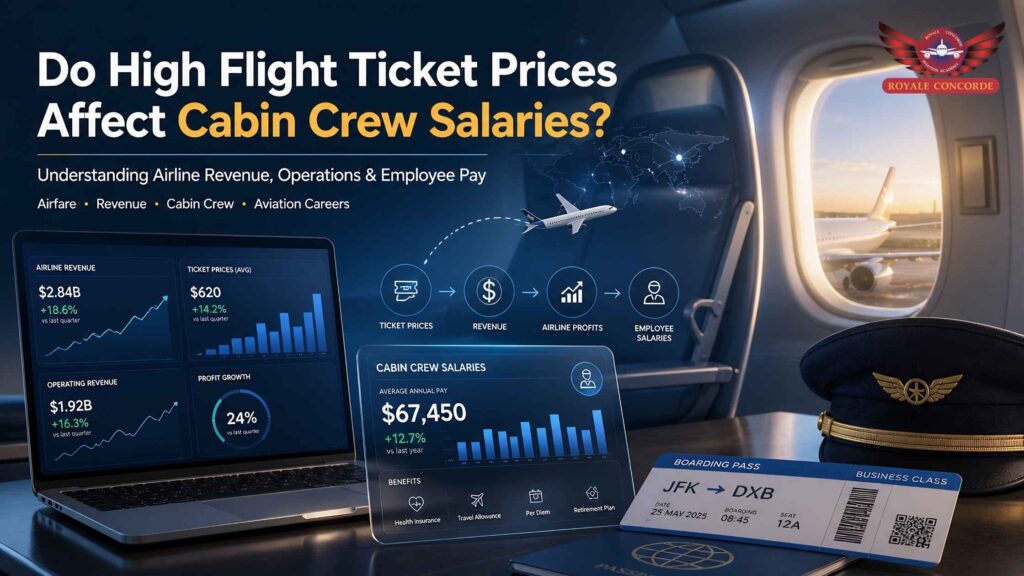
When students ask, “what is cabin crew salary in India?”, the answer varies based on experience and airline category. Experience Level Approximate Cabin Crew Salary Per Month Cabin crew salary for freshers ₹25,000 – ₹40,000 Mid-level (2–5 years) ₹50,000 – ₹80,000 Senior cabin crew ₹80,000 – ₹1,50,000+ International airlines ₹1,20,000 – ₹2,50,000+ The average salary for cabin crew in India is approximately ₹45,000 to ₹60,000 per month, depending on allowances and flight schedules. International airlines often offer tax-free salary packages along with accommodation and travel benefits. What factors influence cabin crew job salary? The cabin crew job salary depends on several professional and operational factors: Airline brand reputation – Premium airlines pay higher. Domestic vs International routes – International routes offer better allowances. Flight hours – More flying hours increase earnings. Experience level – Promotions increase salaries significantly. Training background – Professional academies improve placement quality. The cabin crew wage also includes additional benefits such as: Layover allowances Medical insurance Travel privileges Accommodation (for international airlines) Performance bonuses Cabin crew salary for freshers in India The cabin crew salary for freshers generally starts between ₹25,000 and ₹40,000 per month in domestic airlines. However, this figure can increase quickly within the first two years based on performance and airline growth. At Royale Concorde Aviation Academy, students are trained not only for entry-level roles but also for accelerated career growth. Through structured grooming, personality development, and airline interview preparation, students are positioned competitively during recruitment drives. How do salaries of cabin crew in india grow over time? The salaries of cabin crew in india follow a structured career ladder: Trainee cabin crew Junior cabin crew Senior cabin crew Lead cabin crew / Cabin supervisor In-flight manager With 5–8 years of experience, professionals can earn upwards of ₹1,00,000 per month in reputed airlines. International transitions further boost earning potential. Why professional training impacts cabin crew salary in India Airlines prioritize candidates who meet global hospitality and safety standards. This is where Royale Concorde Aviation Academy plays a transformative role. Comprehensive training modules include: In-flight service excellence Passenger handling and customer service Safety and emergency procedures Aircraft evacuation drills First aid and onboard safety protocols English communication and accent training Grooming and professional etiquette Mock airline interviews The academy’s simulation-based learning environment replicates real airline scenarios, ensuring students develop operational confidence before recruitment. Career growth beyond cabin crew salary per month While many candidates focus solely on cabin crew salary per month, the aviation industry offers broader growth pathways: Transition into corporate aviation Move into airline training departments Airport ground operations leadership roles Aviation hospitality management International airline recruitment Graduates from Royale Concorde Aviation Academy are equipped not just for employment, but for long-term aviation careers. Eligibility to start earning cabin crew job salary Typical eligibility criteria include: Completion of 10+2 Age between 17–26 years Strong communication skills Professional grooming standards Medical fitness Royale Concorde Aviation Academy ensures students meet airline recruitment benchmarks before placement assistance begins. About Royale Concorde Aviation Academy Royale Concorde Aviation Academy (RCAA) is a premier aviation training institute based in Bangalore, Karnataka. The academy specializes in cabin crew training, aviation hospitality, airport ground operations, and personality development programs. Founded by Shri L. R. Shivarame Gowda, the academy focuses on discipline, professionalism, and global standards in aviation education. Its vision is to become a globally recognized aviation training institution known for excellence and world-class standards. Why choose Royale Concorde Aviation Academy? Industry-aligned curriculum Practical aircraft cabin simulation training Emergency management modules Personality transformation programs Placement assistance and recruitment preparation Strategic location in Bangalore – a major aviation hub Contact Information: Phone: +91 7204805777 / +91 7204806777 Email: mail@royaleconcordeaviation.com Location: Bangalore, Karnataka, India Final thoughts on cabin crew salary in india The cabin crew salary in india offers attractive financial rewards combined with travel opportunities, global exposure, and structured career growth. From entry-level cabin crew salary for freshers to senior international packages, the aviation industry presents strong upward mobility. With the right professional foundation from Royale Concorde Aviation Academy, students can confidently pursue careers that offer competitive cabin crew wage structures, increasing salaries of cabin crew in india, and long-term professional stability.

Candidate Showing Thumbs up
Uncategorized

Aviation Interview Guide: Ace Your First Interview with Confidence

If you’re aspiring to join the aviation industry—whether as a cabin crew member, ground staff, or aspiring pilot—your first aviation interview is a major milestone. It’s natural to feel nervous, but knowing what to expect and how to prepare can significantly boost your confidence and performance. This blog will walk you through the structure of a typical aviation interview, the types of questions asked, grooming expectations, and tips to help you stand out. 1. The Interview Structure Aviation interviews are generally structured in multiple rounds, especially for cabin crew and ground staff positions. Here’s a common sequence: a. Document Verification For Aviation Interview Before anything else, you’ll be asked to present your educational certificates, passport, updated resume, passport-sized photographs, and any other documents the airline or academy may request. B. Initial Screening Round This is often a group interaction round where recruiters observe your body language, grooming, communication skills, and confidence. You may be asked to introduce yourself or participate in a small group discussion. C. Group Discussion / Role Play Some interviews include a GD to test your team behavior, clarity of thought, and how well you communicate in a group setting. Role play is common too—especially scenarios like handling an angry passenger or guiding someone during boarding. D. Personal Interview (PI) This is where the recruiters dive into your personality, goals, and motivations. Questions may include: Why do you want to join the aviation industry? Tell me about yourself. How would you handle a difficult passenger? What do you know about our airline/company? E. Skill or Language Test Some airlines conduct written or verbal English proficiency tests. In some cases, you might also be asked to make short announcements to assess voice clarity and pronunciation. 2. What Recruiters Are Really Looking For It’s not just about qualifications—airlines and aviation companies hire based on attitude, professionalism, and potential. Here’s what they usually assess: Grooming and Personal Hygiene: Impeccable grooming is non-negotiable. Hair should be neatly styled, makeup subtle (for females), nails clean, and attire formal. Communication Skills: Clear, polite, and confident communication is a must. Good command over English is essential. Customer Service Orientation: Your willingness to serve, patience, and empathy will set you apart. Team Spirit: Aviation is a team-dependent industry. Your ability to work in harmony with others matters. Crisis Handling: Calmness and presence of mind are key during inflight or airport emergencies. 3. Tips to Prepare for the Interview Do Your Research Know basic information about the airline or academy you’re interviewing with—its history, fleet, destinations, and values. It shows initiative and interest. Practice Your Introduction Prepare a 30-second introduction that summarizes who you are, your background, and why you’re interested in aviation. Practice in front of a mirror or record yourself. Dress Professionally For males: Formal shirt and trousers, clean shave, polished shoes.For females: Formal blouse and skirt/trousers, minimal jewelry, neat hairstyle, and light makeup. Work on Body Language Keep your posture straight, smile naturally, and maintain eye contact. Avoid fidgeting or crossing your arms. Brush Up on Soft Skills Practice polite language, active listening, and how to answer questions clearly and concisely. Be ready for situational questions with practical answers. 4. Common Mistakes to Avoid Arriving late or unprepared Speaking too softly or too quickly Lack of grooming or untidy attire Giving vague or overused answers (“I love traveling” is too common—be specific!) Interrupting others in group discussions 5. What Happens After the Interview? If selected, you may receive a provisional offer letter or be invited for further rounds. If you don’t make it, don’t be discouraged. Most professionals in aviation didn’t clear their first interview—it’s all part of the journey. Treat every interview as a learning experience. Note the feedback (if given), improve your weak areas, and try again. Confidence grows with practice and preparation. Final Thoughts Your first aviation interview can be a defining moment in your career. While it may feel intimidating, remember that recruiters are not looking for perfection—they’re looking for potential. Come prepared, present yourself professionally, and let your passion for aviation shine through. With the right mindset and preparation, your dream of joining the aviation industry is just a successful interview away. Need help preparing for your aviation interview?Join our expert-led interview training sessions at Royale Concorde Aviation Academy, where we equip you with everything—from grooming and soft skills to mock interviews and English fluency.

Cabin crew
Uncategorized

How Does a Cabin Crew Handle In-Flight Emergencies?!

When you board a flight, the cabin crew greets you with a smile, guides you to your seat, and ensures your comfort. But behind that composed demeanor lies extensive training, razor-sharp reflexes, and a deep understanding of emergency protocols. Cabin crew members are not just service professionals — they are first responders at 35,000 feet. So, how exactly do they handle emergencies mid-air? Let’s take a closer look. 1. It Starts with Intense Training Before donning the uniform, every cabin crew member undergoes rigorous training in: First Aid & CPR Firefighting Techniques Evacuation Procedures Decompression Handling Security Threat Response At academies like XYZ Aviation Academy, students train in simulated aircraft cabins, fire chambers, and mock emergency scenarios until their responses become second nature. 2. Emergency? Stay Calm and Assess Whether it’s smoke in the cabin, sudden turbulence, or a medical emergency, the first rule is to stay calm. Crew members are trained to assess the situation in seconds. They follow a standard checklist and prioritize: Passenger safety Communication with the cockpit Quick coordination with fellow crew members Their calmness sets the tone for everyone on board. 3. Medical Situations: More Common Than You Think Medical emergencies are the most frequent in-flight incidents. Cabin crew members are trained to: Identify symptoms quickly (like stroke, fainting, or cardiac issues) Administer oxygen or first aid Use onboard medical kits Coordinate with doctors on the ground via radio or satelliteIn some cases, they may even help divert the aircraft if the situation becomes critical. 4. What If There’s a Fire? Cabin fires are rare but dangerous. Crew members learn to: Locate and isolate the fire source Use appropriate extinguishers (water, CO2, Halon) Ensure passenger safety while minimizing panic Training involves hands-on firefighting practice in enclosed, smoke-filled mockups. 5. Emergency Landings & Evacuations In case of emergency landings, cabin crew members are in charge of evacuation within 90 seconds — regardless of aircraft size. They: Open emergency exits Deploy slides Direct passengers using clear, firm commands Handle elderly, children, and those needing extra assistance They’re also trained to recognize when passengers freeze or panic, and how to motivate them to move quickly   6. Hijack & Security Threats Though extremely rare, unlawful interference is part of cabin crew training. They’re taught: Non-verbal cues and coded communication Conflict de-escalation Alerting the pilot discreetly Following anti-hijack protocols without triggering panic 7. Leadership Under Pressure In emergencies, passengers look to the cabin crew for reassurance. That’s why training also focuses on leadership, voice control, non-verbal communication, and stress management. Their professionalism during chaos can save lives. Conclusion: More Than Just Smiles The next time you fly, remember — the calm, composed cabin crew walking down the aisle isn’t just offering coffee. They are trained protectors, ready to jump into action at a moment’s notice. At institutions like Royale Concorde Aviation Academy preparing for emergencies isn’t a module — it’s a mission. Because in aviation, safety is never optional.

Career Right After 12th Grade
Uncategorized

How to Build a Glamorous Aviation Career Right After 12th Grade

When most people hear the word “aviation,” they think of pilots. But in reality, the aviation industry offers a world of glamorous, high-growth careers—and many of them don’t require a college degree to get started career right after 12th grade. If you’re fresh out of 12th grade and dreaming of a career that lets you travel the world, meet new people, and grow professionally, aviation might just be your perfect runway. Choosing a career right after 12th grade can be overwhelming, but the aviation industry offers exciting, fast-paced opportunities that combine adventure with long-term professional growth. Here’s how you can kickstart your aviation journey right after school: 1. Know Your Career Right after 12th grade Options in Aviation You don’t need to spend 3–5 years in college to land a stylish, well-paying job in aviation. With the right training, you can build a successful career in roles such as: Cabin Crew / Air Hostess Ground Staff / Airport Operations Executive Customer Service Agent Baggage Handling & Ticketing Staff Aviation Hospitality & VIP Services These roles offer great exposure, high job satisfaction right after 12th grade, and the chance to work in dynamic, international environments. 2. Enroll in a Professional Aviation Training Program Right After 12th grade, the best way to break into the industry is by enrolling in a certified aviation training program. At Royale Concorde Aviation Academy, students are trained in: Airline procedures & passenger handling Safety & emergency protocols Communication, grooming, and etiquette Interview & resume preparation Real-life mock interviews and simulations Our industry-aligned curriculum ensures you’re job-ready in 6 to 12 months. 3. Focus on Soft Skills and Grooming Aviation professionals are known for their polished presence and confidence. After all, you’re the face of the airline. This is why Royale Concorde Aviation Academy emphasizes: Grooming & personal styling Fluent English communication Customer service & interpersonal skills Decision-making under pressure These skills don’t just help you get hired—they help you shine. 4. Explore Global Opportunities The aviation industry is international by nature. Airlines in the UAE, Singapore, Qatar, and beyond are constantly hiring well-trained Indian candidates for cabin crew and airport roles. By starting early—Career right after 12th grade—you increase your chances of building a globally mobile career, with better salaries and long-term growth. 5. Get Placement Support and Career Guidance A good aviation academy doesn’t just train you—it places you. At Royale Concorde Aviation Academy: We conduct mock interviews with real airline HRs Help you build a powerful resume and portfolio Connect you with recruiters from domestic & international airlines Whether you’re targeting IndiGo or Emirates, we prepare you to walk in confidently and walk out hired. Who Can Apply After 12th? Students from any stream (Arts/Science/Commerce) Age: 17–26 years Basic communication in English Passion for aviation, grooming, and customer service No prior experience needed. Just the right mindset.Contact us now:royaleconcordeaviation.com Frequently Asked Questions (FAQs) Royale Concorde Aviation Academy – Your Takeoff Starts Here 1. Who can join Royale Concrde Aviation Academy? Anyone who has completed Class 12 from any stream (Arts, Commerce, or Science) is eligible. You should have basic English communication skills, a presentable personality, and a passion for the aviation or hospitality industry. 2. What courses do you offer? We offer certified training programs in: Cabin Crew / Air Hostess Training Airport Ground Staff Training Aviation Hospitality & Customer Service Interview & Grooming Skills Our programs are short-term (6 to 12 months), industry-aligned, and designed to help you become job-ready. 3. Is prior experience in aviation required to join? No, you don’t need any prior experience. Our courses are beginner-friendly and suitable for freshers right after 12th grade. 4. Do you offer placement assistance? Yes! Royale Concorde Aviation Academy offers 100% placement assistance.We prepare you for real interviews, organize recruitment drives, and connect you with top domestic and international airlines.  5. Which airlines hire from your academy? Our students have been placed in leading airlines like:✈️ IndiGo✈️ Air India✈️ Vistara✈️ Emirates✈️ Qatar Airways✈️ SpiceJet✈️ Airport Ground Handling Companies & VIP Lounges 6. What is the fee structure for the courses? Fees vary depending on the course you choose. We also offer flexible payment plans and EMI options. Please contact us directly for the latest fee structure and scholarship details. 7. What is the duration of the training programs? Most of our aviation and cabin crew programs range from 6 to 12 months, depending on the course and your selected schedule (full-time or part-time). 8. Will I receive a certificate after completing the course? Yes, upon successful completion, you will receive a government-recognized certificate that adds value to your resume and helps you apply confidently in the industry. 9. Do you help with grooming and personality development? Absolutely! We focus heavily on: Personal grooming Communication & soft skills Etiquette & body language Confidence-buildingThese are crucial for jobs in aviation, hospitality, and customer service.  

Royale Concorde Aviation Academy goes beyond just training. we inspire passion and confidence in students to reach their full potential. 

Copyright © Royale Concorde Aviation. All Rights Reserved. Run by Widepool.

Scroll to Top