The airport security department is the backbone of safe and seamless air travel. Their primary job is to protect passengers, staff, and airport assets from security threats while ensuring smooth airport operations. From passenger screening to emergency response, their work is crucial for airport safety and the reputation of the entire aviation industry. At Royale Concorde Aviation Academy in Bangalore, students receive the training and exposure necessary to launch rewarding aviation careers in airport security and ground operations.
What Is the Airport Security Department and Why Is It Important?
The airport security department is a specialized division responsible for maintaining a secure environment across all areas of the airport. Their duties span the prevention of unlawful interference, detection of suspicious activities, and rapid response to emergencies. This department plays a critical role in:
- Protecting passengers, airline staff, and airport property from threats
- Preventing acts of terrorism and sabotage
- Ensuring compliance with national and international aviation security standards
- Maintaining public confidence and operational integrity
Without the vigilance and expertise of airport security staff, the risk of security breaches, disruptions, or even potential disasters would rise dramatically. Their presence is not only a legal requirement but a foundational aspect of global air travel.
How Does the Airport Security Department Operate?
The daily operations of the airport security department are complex and multi-layered, involving close collaboration with airlines, government agencies, and airport management. Their work is divided into several key areas:
Passenger screening: The first line of defense
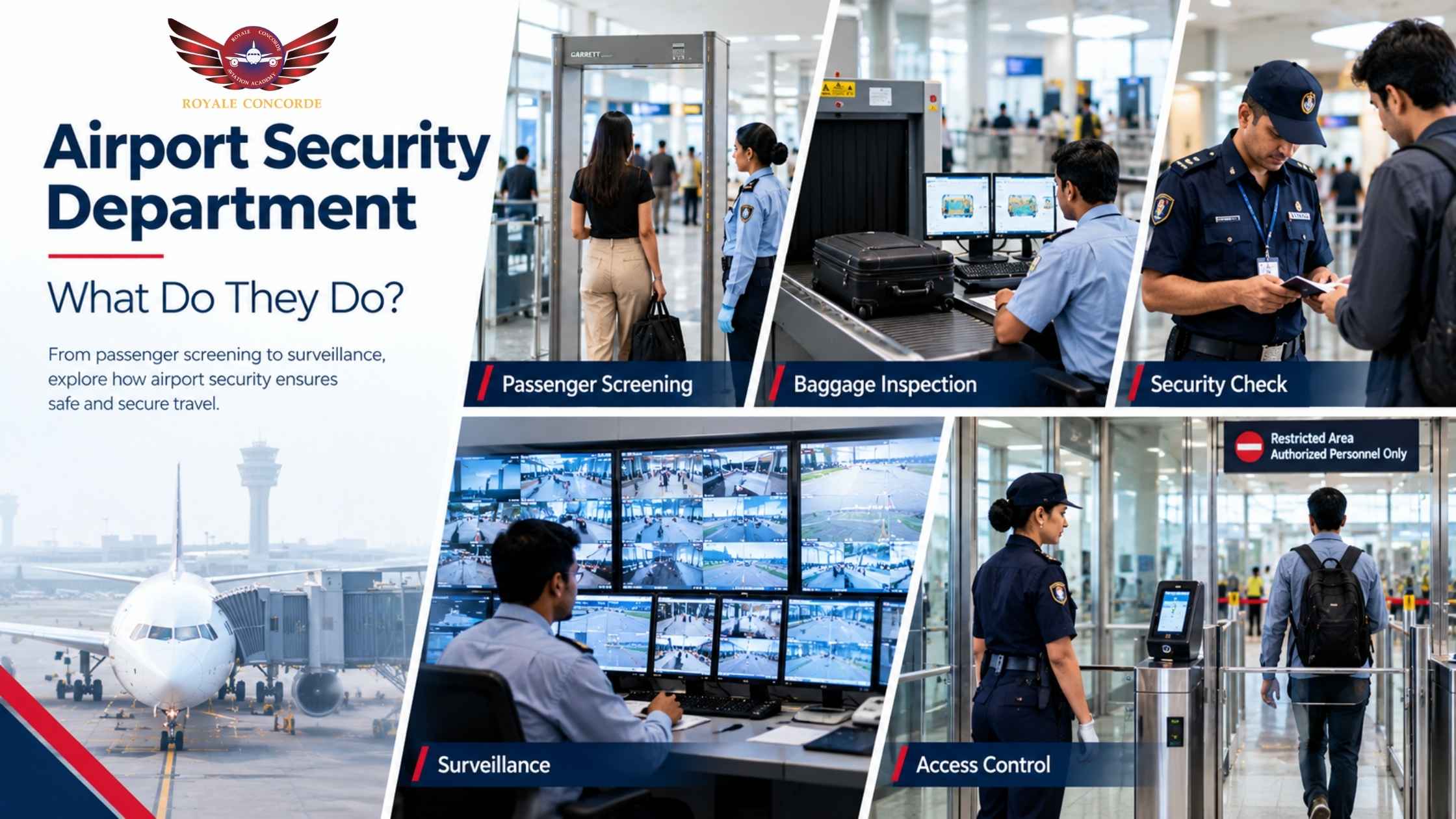
Passenger screening is often the first and most visible function of airport security. This process includes:
- Checking boarding passes and identification
- Scanning luggage and personal items using X-ray machines
- Metal detector checks and body scans
- Randomized manual checks and questioning
The goal is to intercept prohibited items, weapons, or dangerous materials before they reach the aircraft, ensuring that every flight is as safe as possible.
Airport security operations: Beyond the checkpoints
While passenger screening is essential, airport security operations extend far beyond. The department is also responsible for:
- Monitoring CCTV and surveillance systems throughout the terminal and airside areas
- Patrolling restricted zones, runways, and baggage handling areas
- Controlling access to sensitive locations using biometric systems and access cards
- Responding to alarms, unattended baggage, or suspicious persons
- Coordinating with local law enforcement and emergency services during incidents
These proactive measures ensure that security is maintained across the entire airport ecosystem, not just at the entrance.
Aviation security: Meeting global standards
Modern aviation security is governed by strict national and international regulations, including those set by the International Civil Aviation Organization (ICAO) and national authorities like the Bureau of Civil Aviation Security (BCAS) in India. The airport security department must:
- Implement and update security protocols according to changing threat levels
- Train staff regularly on the latest security procedures
- Conduct mock drills and emergency simulations
- Ensure all security equipment is up-to-date and functional
By adhering to these standards, airports maintain their operating licenses and ensure the safety of millions of travelers.
What Are the Key Roles in Airport Security?
The airport security department is staffed by a diverse team of professionals, each with clearly defined responsibilities. Some of the essential roles include:
- Security Supervisor: Oversees day-to-day security functions and ensures compliance with protocols.
- Screening Officer: Conducts passenger and baggage checks at security checkpoints.
- Surveillance Operator: Monitors CCTV feeds and alerts patrols to any suspicious activity.
- Access Control Officer: Manages entry to restricted zones using identification and access systems.
- Response Team Member: Trained to handle emergencies, evacuations, and first response situations.
Each member of the airport security staff must undergo specialized training in threat detection, customer service, emergency procedures, and communication.
How Does Airport Security Contribute to Airport Safety?
Airport security is fundamental to airport safety, which encompasses both the physical protection of people and the integrity of airport operations. Security breaches can lead not only to direct harm but also to flight delays, reputational damage, and economic losses.
Key contributions include:
- Prevention: Deterring and detecting potential threats before they materialize.
- Response: Acting swiftly in the event of a security incident to minimize harm.
- Reassurance: Providing a visible security presence that reassures travelers and staff.
- Collaboration: Working with airlines, police, and emergency responders to ensure coordinated action.
The robust work of the security department enables airports to maintain the highest standards of safety for all stakeholders.
What Are the Career Opportunities in Airport Security?
The growth of the aviation sector, particularly in India, has made airport jobs in security highly sought after. These roles offer structured career progression, attractive benefits, and the chance to contribute to public safety. Career paths include:
- Airport Security Officer
- Senior Security Supervisor
- Security Trainer or Auditor
- Surveillance System Specialist
- Airport Security Manager
With airports expanding and passenger numbers rising, demand for well-trained security professionals is expected to keep increasing. These roles are also an excellent entry point for broader aviation careers in management, operations, and regulatory agencies.
How Does Royale Concorde Aviation Academy Prepare Students for Airport Security Careers?
Royale Concorde Aviation Academy (RCAA) in Bangalore stands out as a premier institution for aviation training in India. With a focus on industry-relevant curriculum, RCAA prepares students not just for jobs but for long-term success in aviation. Here’s how RCAA equips future airport security professionals:
- Specialized Training: Courses cover aviation security, passenger handling, emergency procedures, and airport operations.
- Practical Exposure: Simulated airport environments and mock drills prepare students for real-world scenarios.
- Expert Faculty: Trainers with global and domestic airline experience mentor students in best practices.
- Career Guidance: Resume building, interview preparation, and industry networking support seamless placement into airport jobs.
- Holistic Development: Communication, personality development, and professional conduct are integral parts of the program.
RCAA’s training aligns with the standards expected by airlines and airport authorities, ensuring graduates are “airline-ready” from day one.
What Skills and Qualities Are Essential for Airport Security Professionals?
Excelling in airport security requires a unique blend of technical knowledge, vigilance, and interpersonal skills. Key qualities include:
- Attention to Detail: Every item and individual must be carefully checked.
- Calm Under Pressure: The ability to respond quickly and rationally to stressful situations.
- Teamwork: Coordinating with others is vital for effective security operations.
- Communication Skills: Clear communication with passengers and colleagues ensures smooth processes.
- Integrity and Responsibility: Security professionals must adhere to the highest ethical standards.
- Technical Aptitude: Familiarity with security technology, access systems, and surveillance tools.
Royale Concorde Aviation Academy’s focus on personality development and communication training ensures graduates possess these essential attributes.
Frequently asked questions about airport security careers
What qualifications do I need to work in airport security?
Most airport security roles require a minimum of 10+2 education, good physical fitness, strong communication skills, and the ability to pass background checks. Specialized training from institutes like Royale Concorde Aviation Academy significantly enhances employability.
What are the main challenges faced by airport security staff?
Security staff must remain vigilant against evolving threats, manage large passenger volumes, deal with potential emergencies, and balance security with customer service. Continuous training and adaptability are crucial.
Are there good career growth opportunities in airport security?
Yes, airport security offers structured career progression, opportunities to move into supervisory and managerial roles, and pathways into broader aviation operations and management.
Why choose Royale Concorde Aviation Academy for airport security training?
RCAA is known for its industry-aligned curriculum, practical training, and strong placement support. Students benefit from expert mentorship and a learning environment that mirrors real airport operations.
About Royale Concorde Aviation Academy
Royale Concorde Aviation Academy is a premier aviation training institute based in Bangalore, Karnataka. Founded by Shri L. R. Shivarame Gowda, RCAA is dedicated to nurturing the next generation of aviation professionals through world-class education, practical training, and holistic development. The academy’s core programs include cabin crew training, air hostess courses, airport ground operations, aviation security, and hospitality. With a strong focus on discipline, grooming, communication, and career readiness, RCAA prepares students to succeed in both domestic and international aviation careers.
- Location: Bangalore, Karnataka, India
- Phone: +91 7204805777 / +91 7204806777
- Email: mail@royaleconcordeaviation.com
- Website: royaleconcordeaviation.com
Conclusion: Building a Safe Future in Aviation
The airport security department is essential for the protection of lives, assets, and the smooth functioning of airport operations. As the aviation industry continues to grow, so does the demand for skilled security professionals. With the right education and training from Royale Concorde Aviation Academy, aspiring candidates can unlock rewarding airport jobs and contribute meaningfully to aviation safety and security. Begin your journey today and step confidently into one of the most vital roles in modern aviation.
Frequently Asked Questions
What are the core responsibilities of the airport security department?
The airport security department is responsible for maintaining a secure environment throughout the airport. This includes overseeing passenger screening, baggage checks, access control, surveillance, and responding to security incidents. Their primary focus is to ensure airport safety for travelers, staff, and all airport operations.
How does airport security protect passengers and staff?
Airport security works actively to prevent unauthorized access, screen passengers and baggage for prohibited items, and monitor public spaces for suspicious activity. Well-trained airport security staff use technology and best practices to keep everyone safe, ensuring a secure travel experience.
What is involved in airport security operations?
Airport security operations cover a range of activities such as conducting security screenings, patrolling terminals, monitoring surveillance systems, managing access to restricted areas, and coordinating with law enforcement. These operations are critical to upholding aviation security and ensuring compliance with national and international regulations.
How does Royale Concorde Aviation support airport security?
Royale Concorde Aviation offers specialized training programs for airport security staff, focusing on advanced passenger screening techniques, emergency response, and the latest aviation security protocols. Their solutions help airports enhance security standards, streamline operations, and ensure compliance with industry regulations.
What is the purpose of passenger screening at airports?
Passenger screening is a vital process to detect prohibited items and threats before individuals board aircraft. It involves the use of scanners, metal detectors, and manual checks to uphold airport safety and maintain the integrity of airport security operations.
What skills and qualifications are required for airport jobs in security?
Airport jobs in security typically require keen observational skills, strong communication, problem-solving abilities, and physical fitness. Relevant certifications or training in aviation security, often provided by organizations like Royale Concorde Aviation, are highly valued for those pursuing aviation careers in this field.
How does Royale Concorde Aviation prepare candidates for aviation careers in security?
Royale Concorde Aviation offers comprehensive courses and hands-on training designed to equip individuals with the latest knowledge in airport security, regulatory compliance, and crisis management. Their programs open doors to rewarding aviation careers while supporting the highest standards of airport safety and security.
Why is ongoing training important for airport security staff?
Continuous training ensures that airport security staff stay updated on evolving threats, new technologies, and changing regulations. Royale Concorde Aviation’s ongoing education solutions empower staff to respond effectively to emerging challenges and maintain robust airport security operations.