When you board a flight, the cabin crew greets you with a smile, guides you to your seat, and ensures your comfort. But behind that composed demeanor lies extensive training, razor-sharp reflexes, and a deep understanding of emergency protocols. Cabin crew members are not just service professionals — they are first responders at 35,000 feet.
So, how exactly do they handle emergencies mid-air? Let’s take a closer look.
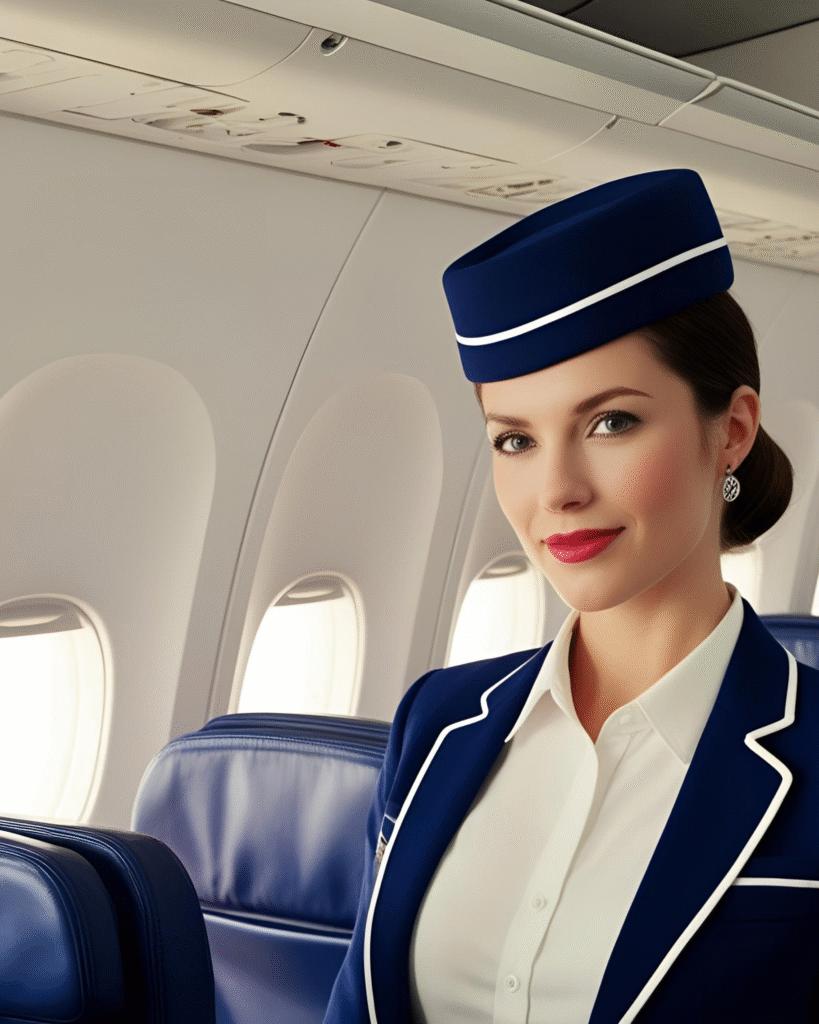
Before donning the uniform, every cabin crew member undergoes rigorous training in:
First Aid & CPR
Firefighting Techniques
Evacuation Procedures
Decompression Handling
Security Threat Response
At academies like XYZ Aviation Academy, students train in simulated aircraft cabins, fire chambers, and mock emergency scenarios until their responses become second nature.
Whether it’s smoke in the cabin, sudden turbulence, or a medical emergency, the first rule is to stay calm. Crew members are trained to assess the situation in seconds. They follow a standard checklist and prioritize:
Passenger safety
Communication with the cockpit
Quick coordination with fellow crew members
Their calmness sets the tone for everyone on board.
Medical emergencies are the most frequent in-flight incidents. Cabin crew members are trained to:
Identify symptoms quickly (like stroke, fainting, or cardiac issues)
Administer oxygen or first aid
Use onboard medical kits
Coordinate with doctors on the ground via radio or satellite
In some cases, they may even help divert the aircraft if the situation becomes critical.
Cabin fires are rare but dangerous. Crew members learn to:
Locate and isolate the fire source
Use appropriate extinguishers (water, CO2, Halon)
Ensure passenger safety while minimizing panic
Training involves hands-on firefighting practice in enclosed, smoke-filled mockups.
In case of emergency landings, cabin crew members are in charge of evacuation within 90 seconds — regardless of aircraft size.
They:
Open emergency exits
Deploy slides
Direct passengers using clear, firm commands
Handle elderly, children, and those needing extra assistance
They’re also trained to recognize when passengers freeze or panic, and how to motivate them to move quickly
Though extremely rare, unlawful interference is part of cabin crew training. They’re taught:
Non-verbal cues and coded communication
Conflict de-escalation
Alerting the pilot discreetly
Following anti-hijack protocols without triggering panic
In emergencies, passengers look to the cabin crew for reassurance. That’s why training also focuses on leadership, voice control, non-verbal communication, and stress management.
Their professionalism during chaos can save lives.
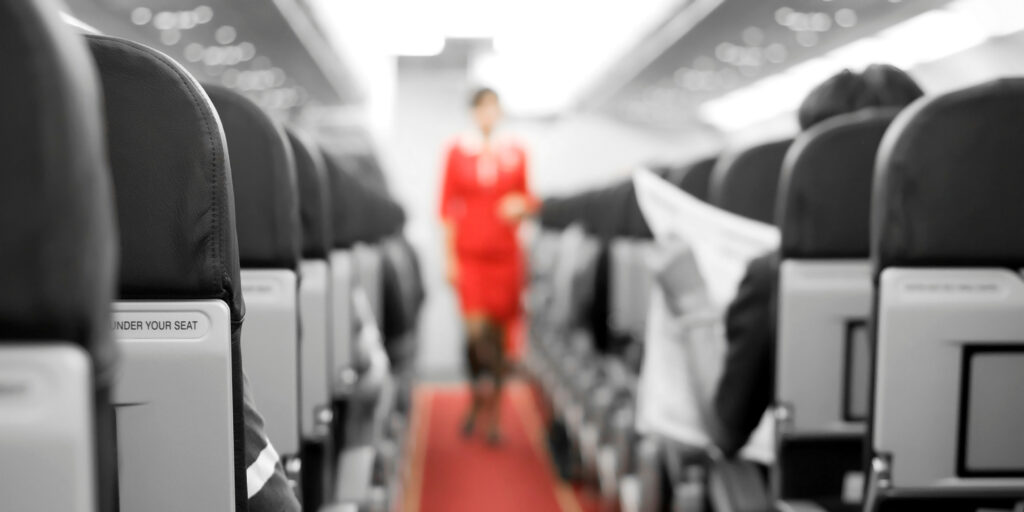
The next time you fly, remember — the calm, composed cabin crew walking down the aisle isn’t just offering coffee. They are trained protectors, ready to jump into action at a moment’s notice.
At institutions like Royale Concorde Aviation Academy preparing for emergencies isn’t a module — it’s a mission. Because in aviation, safety is never optional.
Royale Concorde Aviation Academy goes beyond just training. we inspire passion and confidence in students to reach their full potential.
Let’s connect and create something remarkable together.
Copyright © Royale Concorde Aviation. All Rights Reserved. Run by Widepool.